





























Why Did My Dog Pee On The Bed
Finding your dog peeing on the bed can feel upsetting and confusing, especially if they have been house trained for years. Many owners immediately assume their dog is acting out or being stubborn, but that is rarely the case. According to Today’s Veterinary Practice, house soiling affects around 20% of pet dogs, making it one of the most common behavioural problems owners experience.
If you have been asking yourself, “Why Did My Dog Pee On The Bed?”, the answer is usually linked to stress, scent marking, toilet training problems, or underlying health conditions. Beds are soft, absorbent, and smell strongly of their owners, which can make them appealing places for some dogs to urinate.
The good news is that once you identify the cause, this behaviour can often be improved with training, routine changes, proper cleaning, and veterinary support.
Is My Dog Peeing on the Bed on Purpose?
Dogs do not pee on beds to get revenge or punish their owners. While it may feel personal, dogs do not think about accidents in the same way humans do.
Inappropriate urination is usually a sign that something is wrong physically, emotionally, or behaviourally. Your dog may feel stressed, insecure, overexcited, unwell, or unable to hold their bladder properly.
Some dogs also associate the bed with safety and comfort because it smells familiar. This is why anxious dogs often choose beds, sofas, or piles of laundry when they urinate indoors.
Responding with punishment can make the problem worse because it may increase fear and anxiety around toileting.
Common Reasons Dogs Pee on Beds
Incomplete Potty Training
Puppies and newly adopted dogs often need time to learn where they should go to the toilet. Even dogs that appear mostly house trained may still have occasional accidents indoors.
Beds can feel similar to puppy pads or carpets because they are soft and absorbent. If your dog has not fully learned toilet boundaries, they may view the bed as an acceptable place to urinate.
Adult dogs can also regress in their training after changes in routine, moving house, illness, or long periods without reinforcement. Going back to basic toilet training can often help rebuild good habits.
Signs toilet training may be the issue include:
-
accidents happening in multiple areas of the house
-
frequent small accidents
-
inconsistent outdoor toileting
Taking your dog outside more regularly and rewarding successful outdoor toileting can make a significant difference.
Marking Behaviour
Many owners ask, “Why is my dog marking my bed?” This is one of the most common causes of dogs urinating on beds, especially in younger or unneutered dogs.
Marking behaviour is different from a normal toilet accident. Dogs that are marking usually release a small amount of urine rather than fully emptying their bladder. The purpose is scent communication rather than relieving themselves.
Your bed carries a very strong scent of you, and some dogs feel the need to add their own scent to shared spaces. This behaviour can become more common when:
-
a new pet enters the home
-
visitors stay overnight
-
routines change
-
dogs feel insecure
-
hormones are involved
Male dogs are more likely to mark, but female dogs can do it too. Stress and anxiety can also trigger marking behaviour, even in neutered dogs.
If your dog is marking repeatedly in the same place, using an enzyme cleaner is essential because lingering odours encourage repeat behaviour.
Stress or Anxiety
Stress and anxiety are major triggers for inappropriate urination in dogs. Dogs often respond to emotional stress physically, and accidents indoors can be one of the signs.
Common causes of anxiety include:
-
separation anxiety
-
loud noises like fireworks or thunderstorms
-
moving house
-
changes in work schedules
-
new pets or babies
-
unfamiliar visitors
-
changes to sleeping arrangements
Dogs with separation anxiety may urinate shortly after their owners leave home. Some dogs also become distressed if they lose access to spaces they find comforting, such as bedrooms or beds.
Other signs of anxiety may include:
-
pacing
-
destructive behaviour
-
whining or barking
-
clinginess
-
panting
-
restlessness
Helping anxious dogs often involves creating predictable routines, increasing enrichment, and gradually building confidence when left alone.
Underlying Health Problems
Sometimes the answer to “Why Did My Dog Pee On The Bed?” is medical rather than behavioural.
Several health conditions can make it difficult for dogs to control their bladder or increase the urgency to urinate. Common medical causes include:
-
urinary tract infections
-
bladder stones
-
kidney disease
-
diabetes
-
bladder inflammation
-
hormonal incontinence
-
spinal problems
-
cognitive decline in senior dogs
Dogs with urinary tract infections may urinate more frequently, strain while peeing, or lick themselves excessively. Older dogs with incontinence may leak urine while sleeping without realising it.
Senior dogs may also develop canine cognitive dysfunction, which is similar to dementia in humans. This can cause confusion around toilet training and changes in behaviour.
If your dog suddenly starts peeing on the bed after being reliably house trained, it is important to speak to your vet as soon as possible.
Excitement or Submissive Urination
Some dogs urinate when they become overwhelmed emotionally. This is especially common in puppies, nervous dogs, and dogs with submissive personalities.
Excitement urination may happen during greetings, playtime, or when visitors arrive at the house. Submissive urination usually occurs when dogs feel intimidated or nervous.
Dogs do not do this deliberately. It is an involuntary response linked to emotion and poor bladder control during stimulating situations.
Keeping greetings calm and avoiding overexciting interactions can help reduce these accidents over time.
Lack of Routine
Dogs benefit from structure and predictability. Irregular routines can lead to confusion, stress, and accidents indoors.
If toilet breaks happen at inconsistent times each day, your dog may struggle to hold their bladder for long periods. Changes in feeding schedules can also affect toileting patterns.
A consistent daily routine helps dogs feel secure and supports reliable toilet habits.
What To Do After Your Dog Pees on the Bed
Don’t Punish Your Dog
It can feel frustrating to discover urine on your bed, but punishment is rarely effective. Dogs do not connect being told off with an accident that happened earlier.
Shouting, scolding, or rubbing your dog’s nose in urine can increase anxiety and damage trust. In some dogs, punishment can even make indoor accidents more frequent because they become fearful around toileting.
Remaining calm and focusing on prevention works much better long term.
Clean the Bed Thoroughly
Dogs are highly sensitive to smell, and lingering urine odours can encourage them to return to the same area again.
Use an enzyme-based pet cleaner specifically designed to break down urine proteins and remove smells fully. Standard household cleaners often mask odours for humans without fully removing them for dogs.
Wash bedding thoroughly and clean the mattress carefully if urine has soaked through. Waterproof mattress protectors and washable blankets can also help protect your bed while the issue is being resolved.
Limit Access Temporarily
While retraining is taking place, limiting access to the bedroom can help prevent repeat accidents.
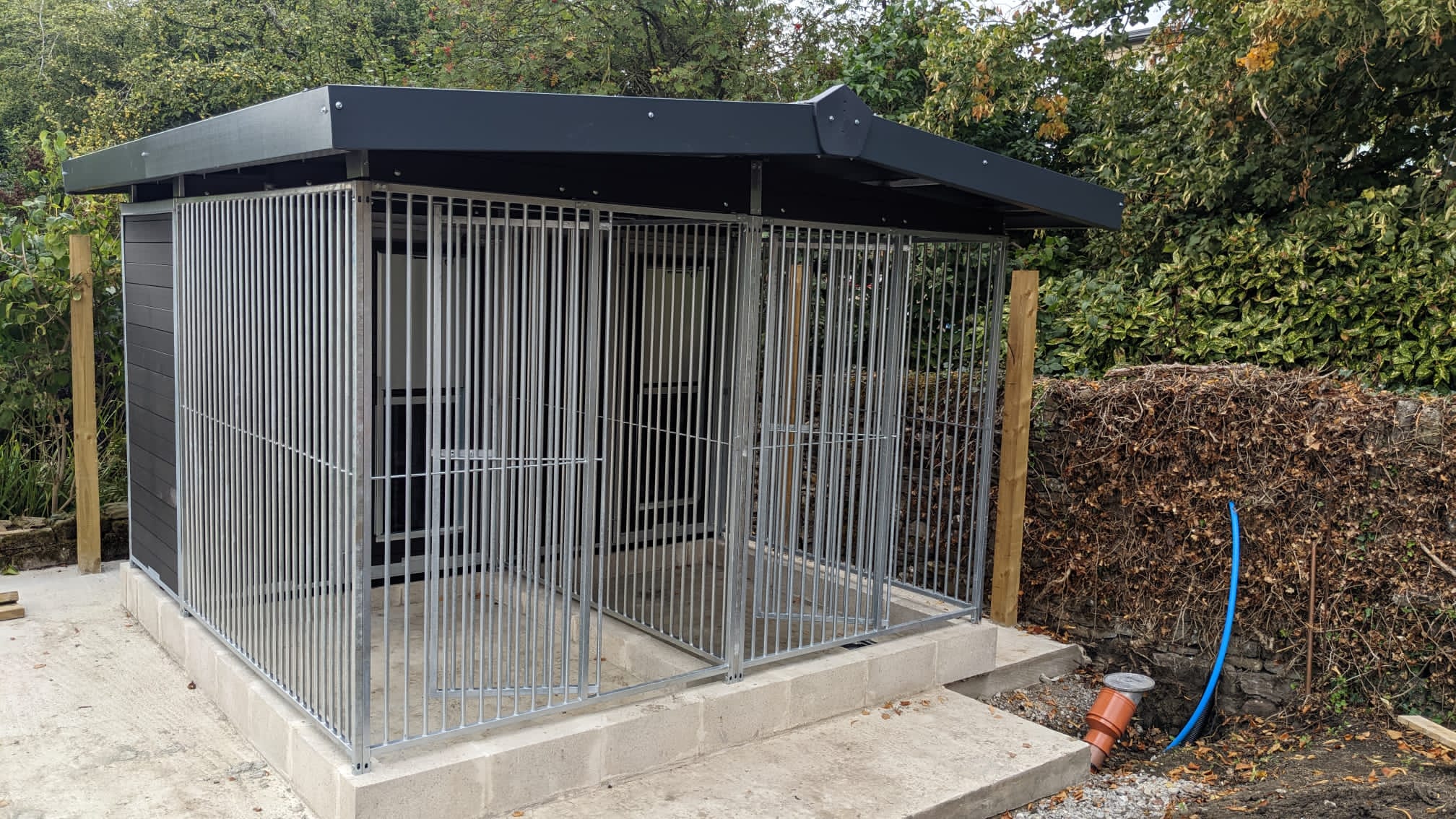
Keep bedroom doors closed when you are not supervising your dog and avoid allowing unsupervised access to the bed. Some owners also find crates or caging useful during this stage.
Preventing repeated accidents is an important part of changing the habit.
Monitor for Patterns
Keeping track of when your dog pees on the bed can help you identify patterns and possible triggers behind the behaviour. Sometimes accidents are linked to stress, changes in routine, or being left alone for long periods, while other cases may point towards an underlying medical issue.
Pay attention to when the accidents happen and what was happening beforehand. For example, you may notice your dog only urinates on the bed after visitors come to the house, during storms, or when they have been left alone during the day. Changes in feeding schedules, increased water intake, or more frequent urination can also provide useful clues.
Writing down these details can help both with training and during veterinary appointments. The more information you have about the timing and circumstances surrounding the accidents, the easier it can be to identify the cause and choose the right approach to stop the behaviour.
How To Stop Your Dog Peeing on the Bed
Reinforce Toilet Training
Returning to basic toilet training can help dogs of all ages, even if they have previously been reliable indoors. Some dogs simply need a reminder of where they should and should not toilet, particularly after changes in routine, moving house, illness, or periods of stress.
Take your dog outside regularly throughout the day and try to build toilet breaks into a consistent schedule. This is especially important after meals, naps, play sessions, first thing in the morning, and before bedtime. Giving your dog plenty of opportunities to toilet outside reduces the chances of accidents indoors.
When your dog successfully toilets outside, reward them immediately with praise, treats, or play. Positive reinforcement helps dogs build strong associations between outdoor toileting and rewards. While retraining is taking place, it is also important to supervise your dog indoors and avoid giving them too much unsupervised access to bedrooms or furniture.
Create a Consistent Routine
Dogs feel more settled and secure when they know what to expect from their day. Feeding times, walks, toilet breaks, and bedtime should happen at similar times each day whenever possible.
A predictable routine helps regulate your dog’s bladder habits and reduces stress-related accidents. Dogs that know they will have regular opportunities to go outside are less likely to feel anxious or become desperate indoors.
Consistency is particularly important for puppies, senior dogs, and dogs struggling with anxiety. Even small changes in routine can sometimes trigger accidents in sensitive dogs, so maintaining structure can make a noticeable difference over time.
Address Anxiety or Stress
Stress and anxiety are common causes of dogs peeing on beds, especially if accidents happen when the dog is left alone or after changes in the home environment. Helping your dog feel calmer and more secure can significantly reduce inappropriate urination.
Daily exercise and mental stimulation are important for reducing stress levels. Puzzle feeders, enrichment toys, training games, and regular walks can help your dog release nervous energy and feel more relaxed at home. Creating a quiet resting space where your dog feels safe can also help anxious dogs settle more easily.
Dogs with separation anxiety may need gradual training to feel comfortable spending time alone. In more severe cases, calming supplements, pheromone diffusers, anxiety wraps, or professional behavioural support may be beneficial. Some dogs require a structured behaviour plan developed with a qualified behaviourist to address the root cause of their anxiety properly.
Consider Neutering or Spaying
Many owners ask, “Why is my dog marking my bed even after training?” In some cases, hormones may still be contributing to the behaviour.
Neutering or spaying can help reduce hormone-driven urine marking in certain dogs, particularly adolescents and sexually mature dogs. While it may not completely stop the behaviour in every case, it can lower the urge to mark territory and reduce the frequency of accidents.
If marking behaviour continues after neutering or spaying, anxiety, stress, or habit may also be playing a role. Combining behavioural training with routine management usually produces the best results.
Reintroduce Bed Access Gradually
Once your dog has gone weeks without accidents, you can begin allowing access to the bed again gradually and under supervision. Allowing full access too quickly can sometimes lead to setbacks, especially if the underlying issue has not been fully resolved.
Start with short periods on the bed while you are present and continue rewarding calm behaviour. Watch carefully for signs of anxiety, restlessness, or marking behaviour. If your dog shows any signs they may urinate again, calmly remove them from the bed and continue working on the training plan.
Patience is important during this stage because rebuilding reliable habits takes time. Slowly rebuilding trust and maintaining consistency will give your dog the best chance of long-term success.
When To See a Vet
If your dog suddenly starts peeing on the bed after being fully house trained, it is important to rule out medical causes as soon as possible. Many health conditions can affect bladder control and lead to inappropriate urination indoors.
You should contact your vet if your dog is urinating more frequently than usual, drinking excessive amounts of water, leaking urine while sleeping, straining or crying during urination, or showing signs of discomfort. Blood in the urine, confusion, disorientation, or repeated accidents despite consistent training can also point towards underlying health problems.
Conditions such as urinary tract infections, bladder stones, kidney disease, diabetes, hormonal incontinence, and cognitive decline are all possible causes of sudden changes in toileting behaviour. Early diagnosis and treatment can often prevent the problem from becoming more serious and help your dog feel more comfortable more quickly.
Why Did My Dog Pee On The Bed? Final Thoughts
In conclusion, if you have been asking yourself, “Why Did My Dog Pee On The Bed?”, the behaviour is usually linked to an underlying issue rather than deliberate bad behaviour. Common causes include anxiety, stress, scent marking, incomplete toilet training, ageing, and medical conditions affecting bladder control.
Most dogs can improve with patience, consistency, proper cleaning, and support from a vet or behaviourist when needed. Understanding the reason behind the behaviour gives you the best chance of stopping repeat accidents and helping your dog feel calmer and more secure at home.
For more expert advice on dog behaviour, nutrition, health, and training, visit Dog Health for trusted pet care guidance and practical support.
FAQs About Keyword
Why Did My Dog Pee On The Bed All Of A Sudden?
Sudden bed peeing is often linked to stress, anxiety, urinary tract infections, or changes in routine. Dogs that were previously house trained should always be checked by a vet to rule out medical causes.
Why is my dog marking my bed?
Dogs mark beds because they smell strongly of their owners. Marking behaviour can be linked to hormones, insecurity, anxiety, or environmental changes.
Why Did My Dog Pee On The Bed While Sleeping?
This may happen because of urinary incontinence, especially in older dogs. Some medical conditions also affect bladder control during sleep.
Can stress cause dogs to pee on beds?
Yes. Stress and separation anxiety are common reasons dogs urinate on beds, sofas, and other places that smell familiar and comforting.
Share
